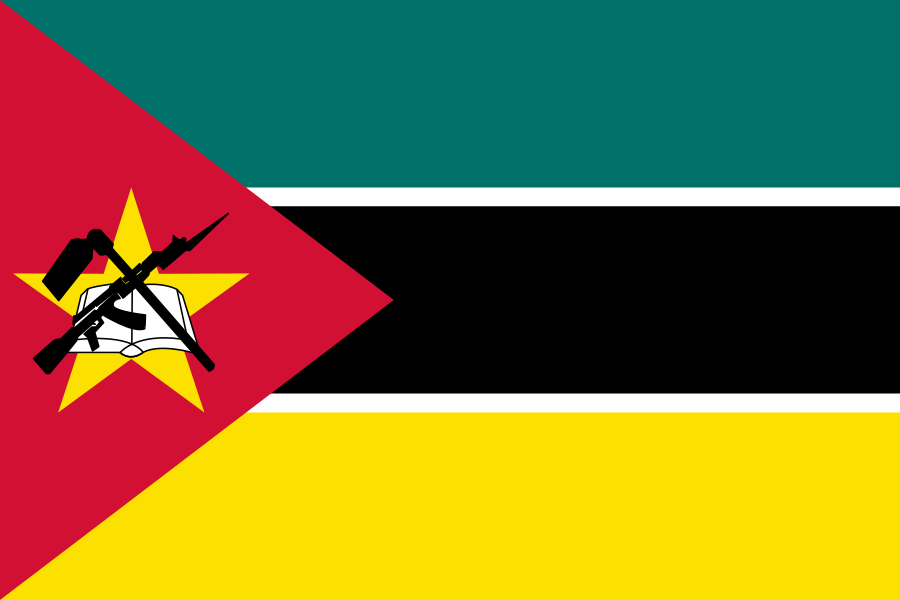
Africa
Mozambique Travel Advisory
Maputo
By TravelSafe Research TeamSource: U.S. State Department ↗
CapitalMaputo
LanguagePortuguese
CurrencyMZN · Mozambican metical
TimezoneUTC+02:00
Emergency
General
General
Tap any number to call from a mobile device
Essential Phrases
General
Com licenca
kong lee-SEN-sah
Excuse me
Quanto custa?
KWAN-too KOOS-tah
How much?
Quero comprar
KEH-roo kom-PRAHR
I want to buy...
Nao
now
No
Por favor
por fah-VOR
Please
Onde fica?
ON-jee FEE-kah
Where is...?
Sim
seeng
Yes
Greetings
Oi
oy
Hello
Obrigado
oh-bree-GAH-doo
Thank you
Emergency
Ajuda!
ah-ZHOO-dah
Help!
Frequently Asked Questions
Is it safe to travel to Mozambique right now?
We do not have a current U.S. travel advisory on file for Mozambique. Always check the State Department's official travel.state.gov page before booking.
Do U.S. citizens need a visa for Mozambique?
Visa requirements depend on your passport and length of stay. Use TravelSafe's free Visa Checker (linked in the Visa Requirements section above) to see the latest entry rules, passport validity requirements, and any visa-on-arrival options.
What are the emergency numbers in Mozambique?
Emergency services in Mozambique: General 119. Tap any number in the Emergency section above to call directly from a mobile device.
Is Mozambique safe for solo travelers?
With the current advisory at Level 0 (No advisory data), Mozambique is generally manageable for prepared solo travelers. Standard precautions apply: share your itinerary, keep digital copies of your passport, and register with STEP (step.state.gov).
Always cross-check with official sources: travel.state.gov · cdc.gov
Newsletter
Get Mozambique travel advisories by email
Weekly digest of new State Department alerts, scam warnings, and safety tips. Free, unsubscribe anytime.
Related Countries
Also in Africa · Browse all 250 countries →
Free Download
Get the Full Safety Brief
PDF with advisory, numbers, phrases, and embassy info — to your inbox.