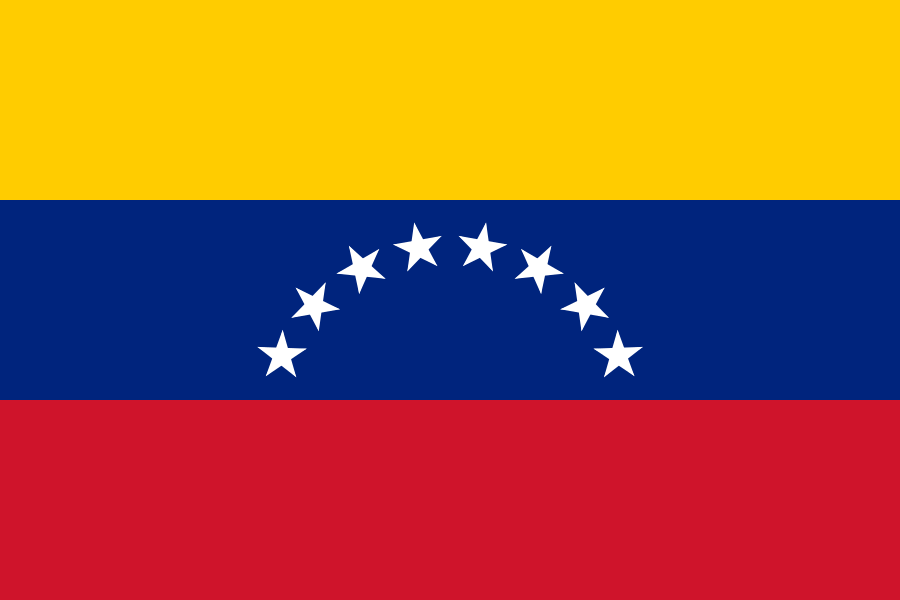
Americas
Venezuela Travel Advisory
Caracas
Emergency
General
General
Tap any number to call from a mobile device
Essential Phrases
General
Disculpe
dees-KOOL-peh
Excuse me
Cuanto cuesta?
KWAN-toh KWEHS-tah
How much?
Quiero comprar
kee-EHR-oh kom-PRAHR
I want to buy...
No
NOH
No
Por favor
por fah-VOR
Please
Donde esta?
DON-deh ehs-TAH
Where is...?
Si
SEE
Yes
Greetings
Hola
OH-lah
Hello
Gracias
GRAH-see-ahs
Thank you
Emergency
Ayuda!
ah-YOO-dah
Help!
US Embassy
Consulate
Caracas
NOTE: Embassy suspended; consular services via third country
Frequently Asked Questions
Is it safe to travel to Venezuela right now?
Do U.S. citizens need a visa for Venezuela?
What are the emergency numbers in Venezuela?
Is Venezuela safe for solo travelers?
Always cross-check with official sources: travel.state.gov · cdc.gov
Newsletter
Get Venezuela travel advisories by email
Weekly digest of new State Department alerts, scam warnings, and safety tips. Free, unsubscribe anytime.
Related Countries
Also in Americas · Browse all 250 countries →
Free Download
Get the Full Safety Brief
PDF with advisory, numbers, phrases, and embassy info — to your inbox.